
Don't Let Your Spare Tires Go to Waste: The Smart Way to Store Extra Tires and Prevent Costly Damage
Don't Let Your Spare Tires Go to Waste: The Smart Way to Store Extra Tires and Prevent Costly Damage
Alicia Aguirre
July 14th, 2026
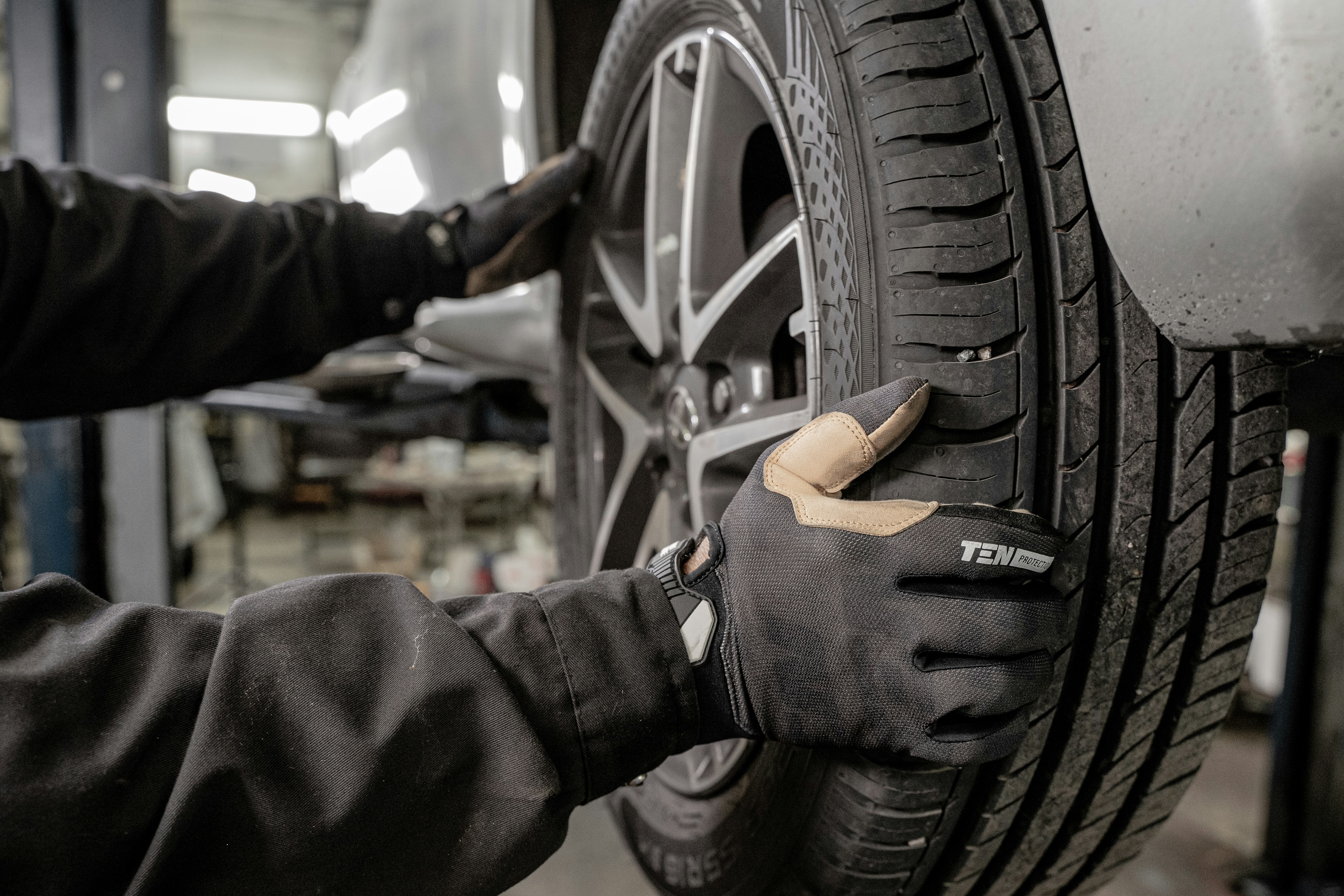
Buying an extra set of tires is one of the smartest investments you can make for your vehicle. Whether you rotate between winter and all-season tires, keep performance tires for weekend driving, or simply have a spare set waiting for when your current tires wear out, proper storage can make a significant difference in how long they last. Unfortunately, many people spend hundreds or even thousands of dollars on quality tires only to shorten their lifespan by storing them incorrectly. Rubber may seem durable, but it naturally changes over time. Exposure to sunlight, moisture, extreme temperatures, dirt, chemicals, and improper positioning can all cause tires to deteriorate long before the tread is worn out. Small cracks, flat spots, and weakened sidewalls often develop while tires are sitting unused, making them less safe and reducing the value of your investment.
Keeping your tires in the right environment helps preserve their condition while also freeing valuable space in your garage. If you're looking for reliable storage options in Windsor Locks, a secure storage unit offers an organized place for seasonal tires, automotive accessories, and other equipment that doesn't need to take up space at home. Living in Windsor Locks also means having easy access to plenty of outdoor recreation throughout the year. Many residents spend weekends cycling along the Windsor Locks Canal State Park Trail, kayaking on the Connecticut River, or exploring nearby parks and attractions. By storing seasonal tires and automotive equipment properly, you'll have more room at home for bicycles, camping supplies, fishing gear, and everything else that supports your next adventure.
Key Points for Readers Short on Time
- Clean and completely dry every tire before placing it into storage.
- Store tires in a cool, dry, clean location away from direct sunlight and chemicals.
- Mounted and unmounted tires should be stored differently to prevent unnecessary stress.
- Tire storage bags help reduce exposure to oxygen and slow rubber aging.
- A dedicated storage unit keeps seasonal tires protected while creating valuable garage space.
Why Proper Tire Storage Is Worth the Effort
Many people assume tires only wear out while they're on the road. In reality, time alone causes rubber to age. Even when a vehicle isn't moving, oxygen slowly reacts with the compounds inside the tire. Add sunlight, humidity, fluctuating temperatures, and airborne pollutants, and that aging process accelerates considerably. The result isn't always obvious right away. Tires that look perfectly fine from a distance may develop microscopic cracks within the rubber, lose flexibility, or begin to harden over time. Eventually, these changes affect traction, ride quality, and overall safety. While no storage method can completely stop the natural aging process, proper storage dramatically slows it down.
Considering the average cost of replacing four tires, spending a little extra time storing them correctly is one of the easiest ways to protect your investment. It also helps ensure your tires are ready to perform when it's time to put them back on your vehicle instead of forcing you into an unexpected replacement. According to the U.S. Tire Manufacturers Association, tires should be protected from heat sources, sunlight, ozone, and petroleum-based products during storage to help preserve their condition over time.
The Biggest Enemies of Stored Tires
Before discussing the best storage methods, it's helpful to understand what actually causes tires to deteriorate. Sunlight is one of the biggest threats because ultraviolet rays slowly break down the rubber compounds that give tires their flexibility. Over time, prolonged UV exposure leads to fading, cracking, and reduced elasticity. Heat creates another problem. High temperatures speed up the oxidation process inside the rubber, causing tires to age faster than they normally would. This is why storing tires beside furnaces, water heaters, or other heat-producing appliances isn't recommended.
Moisture presents its own challenges as well. Although rubber itself resists water, excessive humidity encourages corrosion on metal wheels and can create an unhealthy storage environment, especially if dirt and road salt remain on the tires. Chemical exposure is another issue that many homeowners overlook. Gasoline, motor oil, paint, solvents, cleaning chemicals, and even certain fertilizers can gradually damage rubber if stored nearby. Electric motors found in generators, compressors, refrigerators, and furnaces also produce ozone, which contributes to rubber degradation over time. When several of these conditions exist together, the aging process speeds up significantly.
Always Clean Tires Before Storing Them
One of the simplest yet most overlooked steps is cleaning your tires before putting them away. Every drive exposes your tires to road salt, brake dust, oils, dirt, and countless other contaminants. If those substances remain on the tire for several months, they continue interacting with the rubber throughout storage. Fortunately, cleaning them doesn't require expensive products. Mild soap, water, and a soft brush are usually all that's needed. After washing, rinse thoroughly and allow each tire to dry completely before placing it into storage. Moisture trapped inside storage bags or between stacked tires can create unnecessary problems later. While cleaning, take the opportunity to inspect each tire carefully. Look for uneven tread wear, embedded nails, cuts, punctures, bulges, or sidewall damage. Catching these issues now gives you plenty of time to schedule repairs or replacements before the next driving season arrives.
Choose the Right Storage Environment
Where your tires spend several months can be just as important as how they're positioned. Ideally, tires should be stored in an area that remains relatively cool, dry, clean, and shaded throughout the year. Direct sunlight should be avoided whenever possible, as should locations with significant temperature swings or excessive humidity.
Unfortunately, many garages aren't ideal storage environments. Garage doors open frequently, bringing in moisture, dust, and sunlight. Lawn equipment, chemicals, fuel containers, and power tools often share the same space, exposing tires to conditions that gradually shorten their lifespan. Using dedicated storage outside the home gives your tires a cleaner environment while reducing garage clutter. It also allows homeowners to organize seasonal items more efficiently instead of constantly moving tires from one corner to another.
Should You Use Tire Storage Bags?
For long-term storage, the answer is usually yes. Airtight tire storage bags reduce the amount of oxygen surrounding the rubber, slowing oxidation and helping preserve the tire's flexibility. Specialized tire bags are available, although durable, heavy-duty plastic bags also work well when sealed properly. Before sealing each bag, remove as much air as possible. Then label the outside with the tire's previous position on the vehicle, such as Front Left or Rear Right. This simple step makes future rotations much easier and helps maintain even tread wear over the life of the tires. If your tires are mounted on wheels, you may also want to note the tire pressure before storage so it's easy to check once they're reinstalled.
Mounted Tires and Unmounted Tires Need Different Storage Methods
One mistake many people make is storing every tire the same way. In reality, mounted tires and unmounted tires support weight differently. Mounted tires, which remain attached to their wheels, can safely be stacked horizontally. Some people also hang them from sturdy wall-mounted hooks specifically designed for wheels. Because the wheel supports the tire's shape, this method places less stress on the rubber.
Unmounted tires require a different approach. They should always be stored standing upright rather than stacked flat. Every month or so, rotating them slightly helps distribute their weight evenly and reduces the chance of developing flat spots over extended storage periods. Likewise, avoid hanging unmounted tires because unsupported weight can gradually distort their shape.
Mistakes That Can Shorten the Life of Your Tires
Many tire storage problems begin with habits that seem harmless at first. For example, leaving tires outside beneath a tarp may appear to offer protection, but trapped moisture often creates the opposite effect. Condensation builds underneath the covering, exposing tires to damp conditions for months at a time. Another common mistake is storing tires next to furnaces, water heaters, freezers, or electric motors. These appliances generate heat and ozone, both of which accelerate rubber aging.
Some homeowners also lean tires against walls for extended periods. Although this may save space initially, it can place uneven pressure on the tire over time. Similarly, stacking too many unmounted tires together may distort those at the bottom of the pile. Finally, avoid placing tires directly beside containers of gasoline, paint thinner, solvents, or cleaning chemicals. Even if spills never occur, prolonged exposure to chemical vapors isn't ideal for preserving rubber.
When a Storage Unit Becomes the Better Solution
As families accumulate more recreational equipment, garage space quickly disappears. Seasonal decorations, lawn equipment, bicycles, camping supplies, sports gear, workbenches, and household overflow often leave very little room for four large tires. Instead of squeezing them into whatever space remains, many homeowners choose to store them elsewhere in a cleaner, more organized environment.
A storage unit provides room not only for tires but also for automotive equipment that only gets used occasionally. Floor jacks, jack stands, wheel chocks, torque wrenches, roof racks, cargo carriers, detailing supplies, and emergency roadside kits can all stay together in one organized location. The result is a garage that's easier to use every day while keeping valuable equipment protected between seasons.
Store More Than Just Your Tires
If you're already organizing seasonal automotive equipment, it often makes sense to think beyond tires alone. Many Windsor Locks residents own recreational vehicles that aren't used every week. Boats, campers, trailers, and RVs all benefit from thoughtful storage during periods of inactivity. Learning proper maintenance practices for these larger investments helps extend their lifespan just as much as proper tire storage does.
For additional ideas, this guide on how to store your RV or boat between trips in Windsor Locks explains practical ways to keep recreational vehicles protected between adventures. If you're deciding between indoor storage space and outdoor vehicle parking, you'll also find helpful information on drive-up storage or outdoor parking in Windsor Locks, which compares different storage solutions depending on your equipment and available space.
How Long Can Tires Safely Stay in Storage?
When stored correctly, tires can remain in excellent condition for several years. However, that doesn't mean they should simply be forgotten. Every few months, inspect stored tires for visible signs of cracking, discoloration, pest damage, or moisture exposure. If they're stored in bags, verify that the bags remain sealed and dry. If the tires are standing upright, rotate them slightly to prevent prolonged pressure on one section. Before reinstalling the tires, check inflation pressure if they're mounted, inspect tread depth, and look carefully for any signs of deterioration that may have developed during storage. The National Highway Traffic Safety Administration also recommends routinely inspecting tires for signs of aging, regardless of mileage, since rubber naturally changes over time.
Keep Everything Organized for Easier Seasonal Changes
Proper storage isn't only about preserving the tires themselves. It's also an opportunity to simplify future maintenance. Store wheel locks, lug nuts, center caps, valve stem caps, torque specifications, and tire pressure records together in one labeled container. If you rotate tires seasonally, keeping a maintenance log helps track previous positions and reminds you when the next rotation is due. These small organizational habits save time every season while reducing the chances of misplaced hardware or incorrect tire placement.
Protect Your Investment While Creating More Space at Home
Extra tires represent a significant investment, and like any investment, they deserve proper care. A little preparation before storage can help prevent cracking, flat spots, uneven wear, and premature aging, allowing your tires to perform as intended when they're back on the road.
At the same time, storing seasonal tires away from daily living areas helps create a cleaner, more functional garage for the equipment you use every week. For homeowners throughout the Windsor Locks area, organized storage options in Windsor Locks provide a practical way to protect valuable automotive equipment while making room for everything else that supports an active lifestyle. Whether you're spending weekends exploring the Windsor Locks Canal State Park Trail, visiting the New England Air Museum, or enjoying outdoor recreation throughout Hartford County, knowing your seasonal tires are stored properly means one less thing to worry about when it's time for your next drive. For more information about local attractions and recreational opportunities in the area, the Connecticut Office of Tourism provides excellent resources for planning activities throughout Windsor Locks and the surrounding region.
Categories