
How to Store Your RV or Boat Between Trips in Windsor Locks
How to Store Your RV or Boat Between Trips in Windsor Locks
—
May 28th, 2026
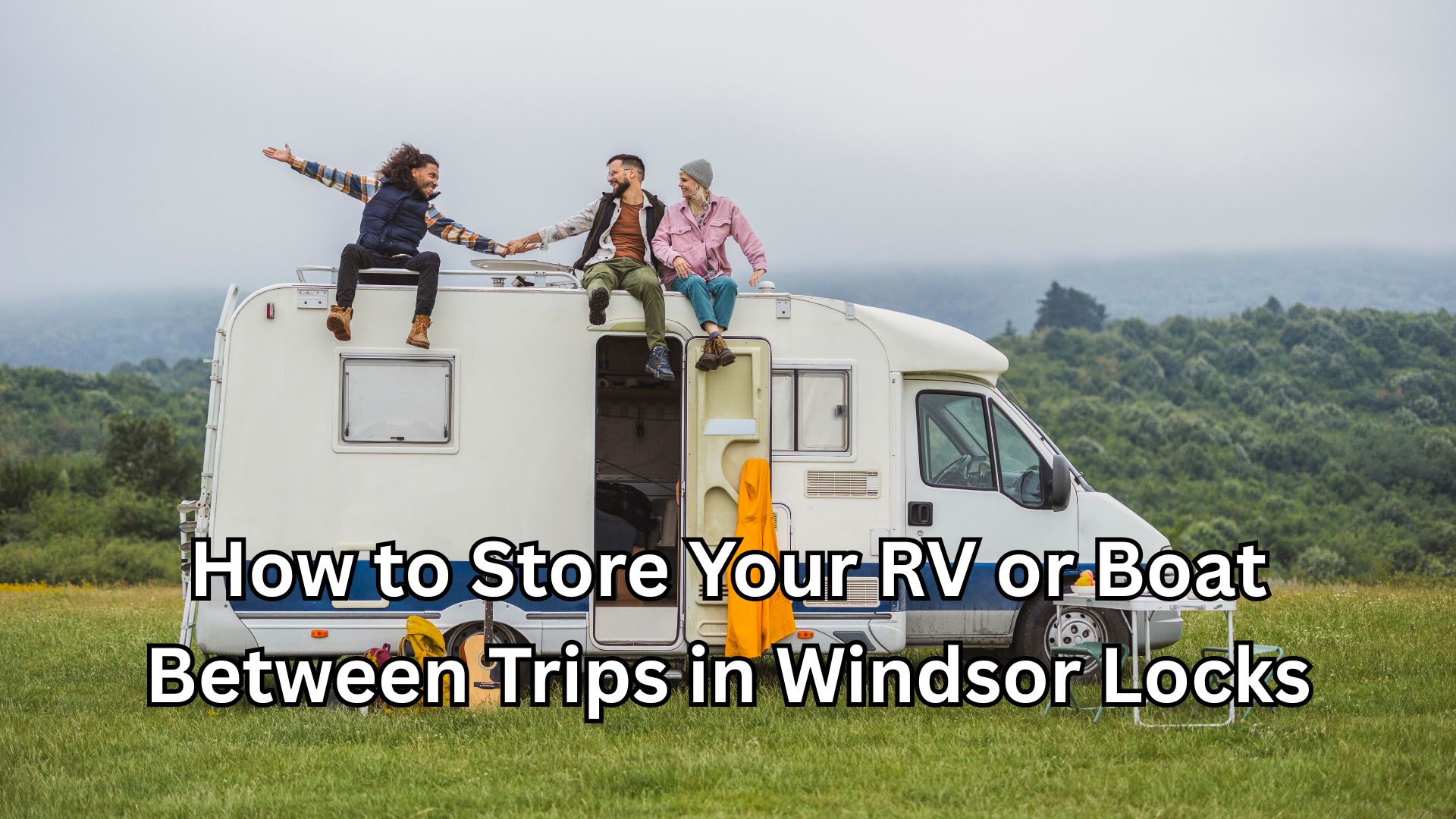
Before you pull into storage after a trip, run through three quick questions:
- What needs to come out before the next trip?
- What should stay with the RV or boat?
- How easy will it be to leave again when the next weekend opens up?
That last question matters more than people think. RV and boat storage is not just about finding an empty spot. It is about making the time between trips easier, cleaner, and less frustrating.
For owners around Windsor Locks, especially those who travel along I-91 or head out from the Bradley-area corridor, a good between-trip routine can save a lot of small headaches. You want your vehicle or boat parked somewhere practical, your gear organized, and your next departure to feel simple instead of rushed.
Start With a Between-Trip Reset
A between-trip reset keeps your RV or boat from turning into a rolling junk drawer. The goal is to remove what should not sit, keep what belongs with the vehicle, and leave everything easier to inspect next time.
Start with food, trash, damp towels, and loose paper goods. Anything that can create odor, attract pests, or hold moisture should come out after each trip. Even if you plan to use the RV or boat again soon, a few forgotten items can make the next visit unpleasant.
Then separate your gear into three groups: items that always stay, items that go home for cleaning, and items that need to be replaced before the next trip. This is where a simple tote system helps. Keep one “restock” bin at home for sunscreen, cleaning wipes, batteries, paper towels, or other small items that disappear fast. Keep another bin for clean, trip-ready gear that can go back in before departure.
A little routine goes a long way here. Not fancy. Just consistent.
For RV owners, this reset may include checking cabinets, clearing the fridge, and removing bedding that needs washing. For boat owners, it may mean pulling life jackets, ropes, towels, fishing gear, or electronics that should not stay exposed between outings. The more predictable your reset becomes, the easier your next trip feels.
Choose Parking That Matches How Often You Use It
The right parking setup depends on how often you come and go, how large your vehicle is, and how much gear you need to move with it. Frequent use usually calls for convenience first.
If you use your RV or boat often during the season, think about the full movement pattern. Can you access the space without making every visit feel like a puzzle? Is there enough room to approach, park, and unload what you need? Will you be stopping by after work, early in the morning, or on the weekend schedule?
At Max Storage - Windsor Locks, renters looking for vehicle storage can use RV, car, and boat parking at the Windsor Locks facility. The facility also lists outdoor parking options, which makes the location a practical fit for owners who need a dedicated place between trips rather than trying to squeeze a trailer, RV, or boat into a driveway at home.
That matters in a place like Windsor Locks, where many renters are balancing home space, travel routes, and seasonal plans. If your RV or boat is used for weekend travel, fishing days, family trips, or occasional longer vacations, storage should support that rhythm rather than slow it down.
Keep Trip Gear Separate From Storage Gear
Trip gear and storage gear are not the same thing. Mixing them is one of the easiest ways to make every departure feel more chaotic than it needs to be.
Trip gear includes the items you use while traveling: chairs, hoses, cookware, life jackets, fishing equipment, portable grills, bedding, and cleaning supplies. Storage gear includes the things that help protect or manage the RV, boat, or vehicle while it is parked: covers, wheel chocks, tie-downs, locks, basic inspection supplies, and any maintenance notes you keep.
Store these categories separately when possible. If everything goes into one pile, you will spend the next trip digging past covers and tools just to find a chair or extension cord.
A simple approach works well:
- Keep frequently used trip items in labeled, easy-to-grab bins.
- Keep protective storage items together so they are ready when you return.
- Keep a small checklist in the RV, boat, or tow vehicle for what needs to be done before parking.
- Take a photo of your setup after a smooth trip so you can repeat it next time.
This is especially helpful for renters using both parking and storage space. If you also keep household items, tools, or recreational gear in a unit, use the Max Storage size guide to determine how much space you may need before mixing too many categories.
The goal is not perfection. The goal is fewer “where did we put that?” moments.
Build Your Parking Routine Around Access and Loading
A good storage routine should match the way you actually use your RV or boat. If you usually leave town early, return late, or make quick stops between plans, access and loading convenience become part of the decision.
Max Storage - Windsor Locks lists 24-hour access and drive-up access among its facility amenities. That can be useful for renters who need flexibility around work schedules, weekend travel, or early departures. The facility also lists fenced and gated access, security cameras, and online bill pay, which support a more practical storage experience for owners who do not want every visit to depend on office-hour timing.
Still, access is only one part of the routine. Think through the actual steps: Do you need to unload coolers and soft goods every time? Do you need to grab tools or equipment before heading out? Are you likely to stop by in bad weather? Do you need room to check tires, covers, or straps before leaving?
Those small realities should shape how you park, how you pack, and what you keep within reach. For example, if you store a boat between fishing trips, keep tackle, towels, and safety gear organized so you can reload quickly. If you store an RV between family weekends, keep bedding, kitchen items, and cleaning supplies in predictable places so the next trip does not start with a search party.
How Max Storage - Windsor Locks Helps Between Trips
The best storage setup is the one that makes your next trip easier to start. For RV and boat owners, that means practical parking, straightforward access, and enough flexibility to fit real schedules.
Max Storage - Windsor Locks is located at 66 Lawnacre Road in Windsor Locks, with convenient access near I-91. The facility supports self-storage, boat parking, RV parking, and vehicle parking, giving local renters a useful option for both household storage and recreational vehicle needs.
If you are deciding what type of space fits your setup, start by thinking about what you store, how often you visit, and whether you need parking only or a combination of parking and unit storage. You can review available facility details on the Max Storage Windsor Locks location page, check general storage questions on the FAQ page, or contact the team for help matching your needs to the right option.
Between trips, the right routine keeps things simple: unload what should not sit, protect what stays, organize what you use often, and park in a place that supports your schedule.
That is the whole point. Less friction now, an easier start later.
FAQ
Can I store an RV or boat at Max Storage - Windsor Locks?
Yes. Max Storage - Windsor Locks lists RV, car, and boat parking among its facility amenities, along with outdoor parking options. Availability can vary, so it is best to check the current options for your vehicle or trailer size before planning around a specific space.
What should I remove from my RV or boat before parking it between trips?
Remove food, trash, damp towels, loose paper goods, and anything that can create odors or hold moisture. For boats, also consider removing electronics, life jackets, and soft gear that you prefer to clean or dry at home. For RVs, check cabinets, the refrigerator, bedding, and small restock items.
Is outdoor parking better than keeping an RV or boat at home?
It depends on your driveway space, neighborhood rules, travel schedule, and how often you use the RV or boat. Outdoor parking can help when home parking is tight or inconvenient, especially if you want a dedicated place between trips.
How do I make my next trip easier after putting my RV or boat in storage?
Use a quick reset checklist every time you return. Empty what needs to come home, restock what will be needed next time, keep trip gear separate from storage gear, and leave frequently used items easy to reach. The best routine is the one you can repeat without thinking too hard.
Categories